The best security is invisible
The traditional approach to secure access involves a painful trade-off: either compromise security for convenience, or force users through cumbersome authentication workflows. Every time users need to access a protected resource, they face the friction of launching a client, finding their target, establishing a connection, and copying proxy addresses. We saw an opportunity to eliminate this friction entirely.
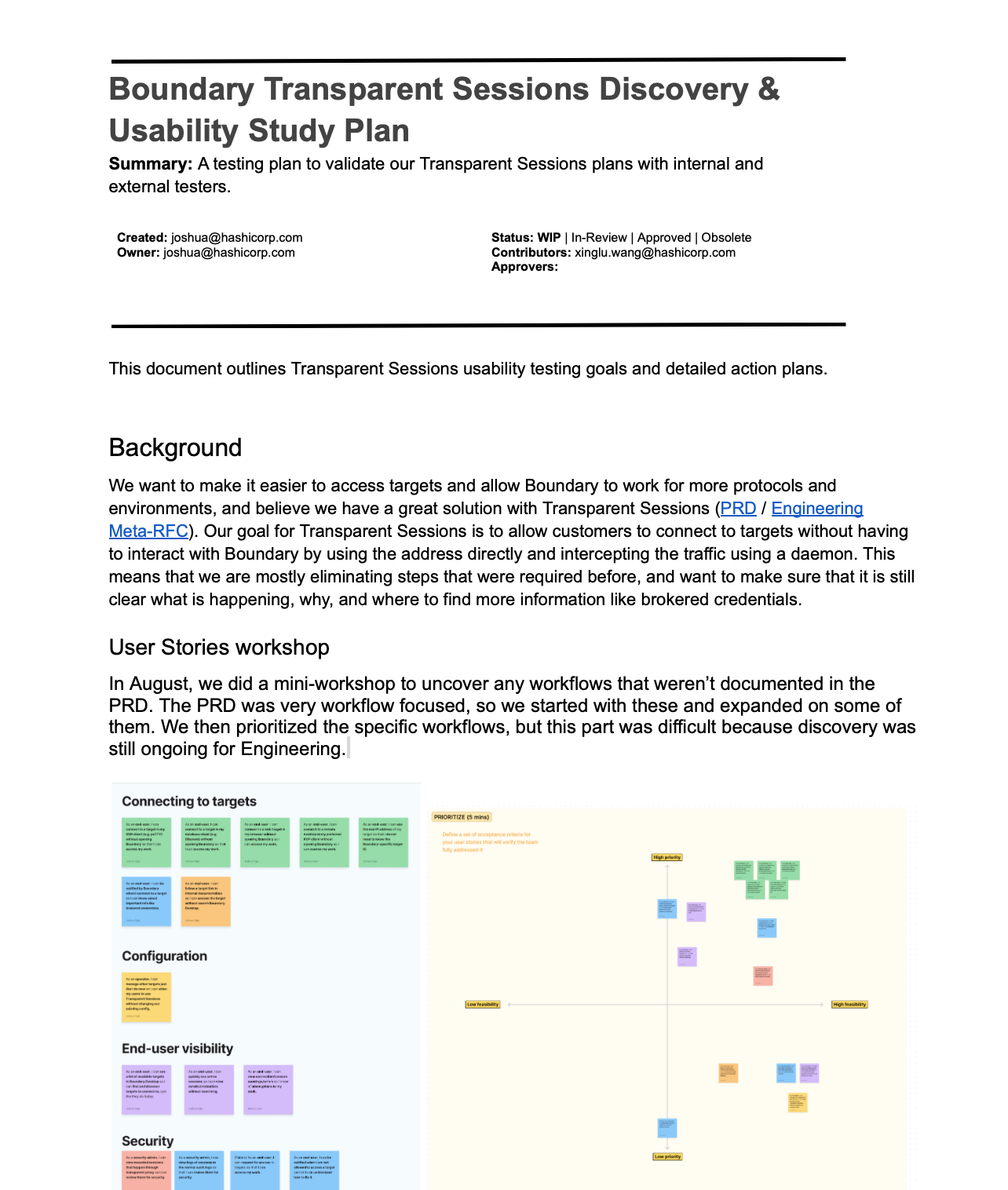
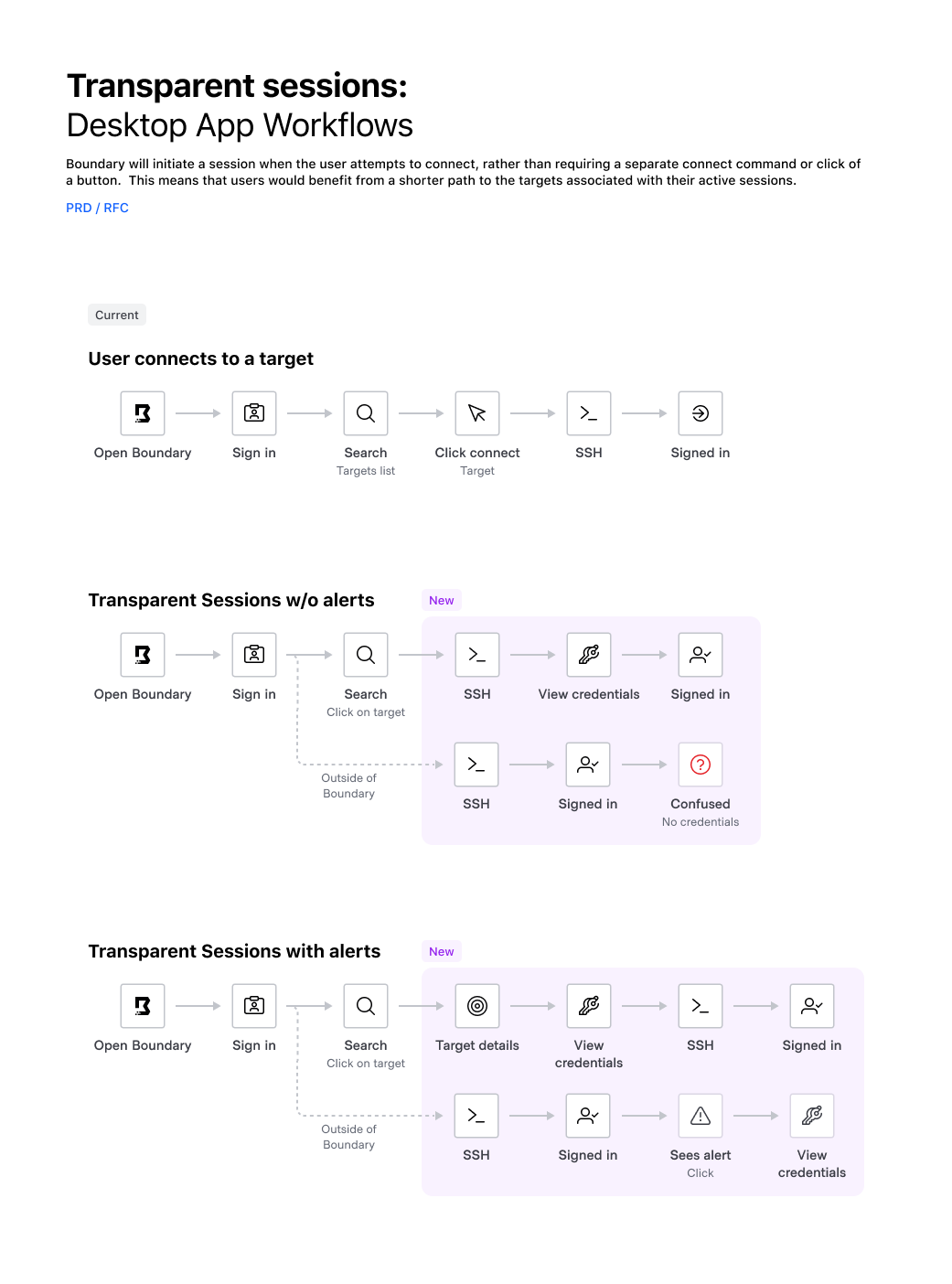
Our vision was ambitious: what if secure access could be so seamless that users wouldn't even know they were using it? Instead of building another tool that users have to think about, we could create invisible infrastructure that just works. This would transform Boundary from a security tool into essential infrastructure that IT teams could deploy across their organizations.
Access that just works
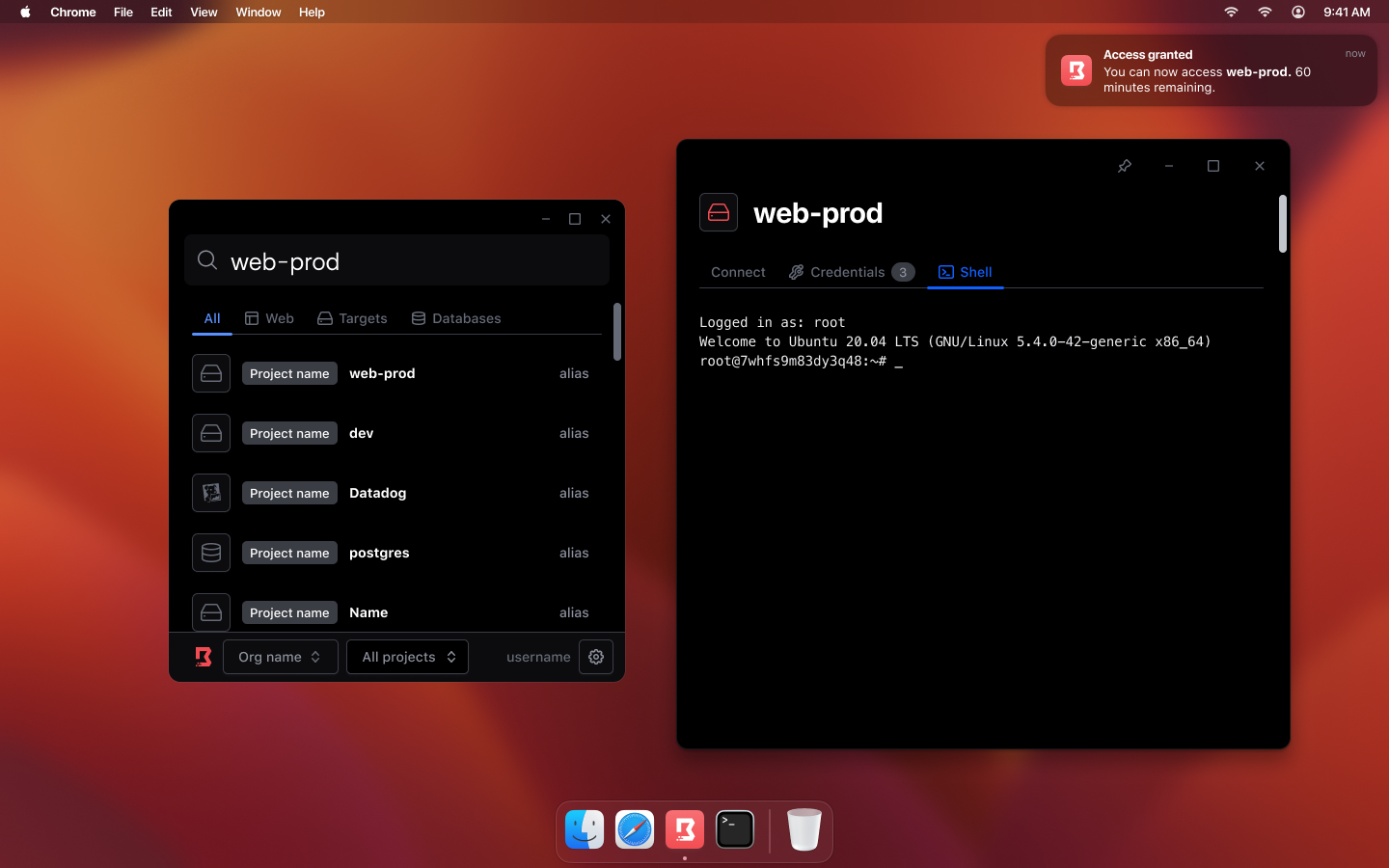
The key insight came from watching users interact with protected resources. They didn't want to think about proxy addresses or connection protocols - they just wanted to access their tools using familiar URLs. This led to the concept of aliases, allowing users to create simple nicknames for their targets that work just like regular web addresses.
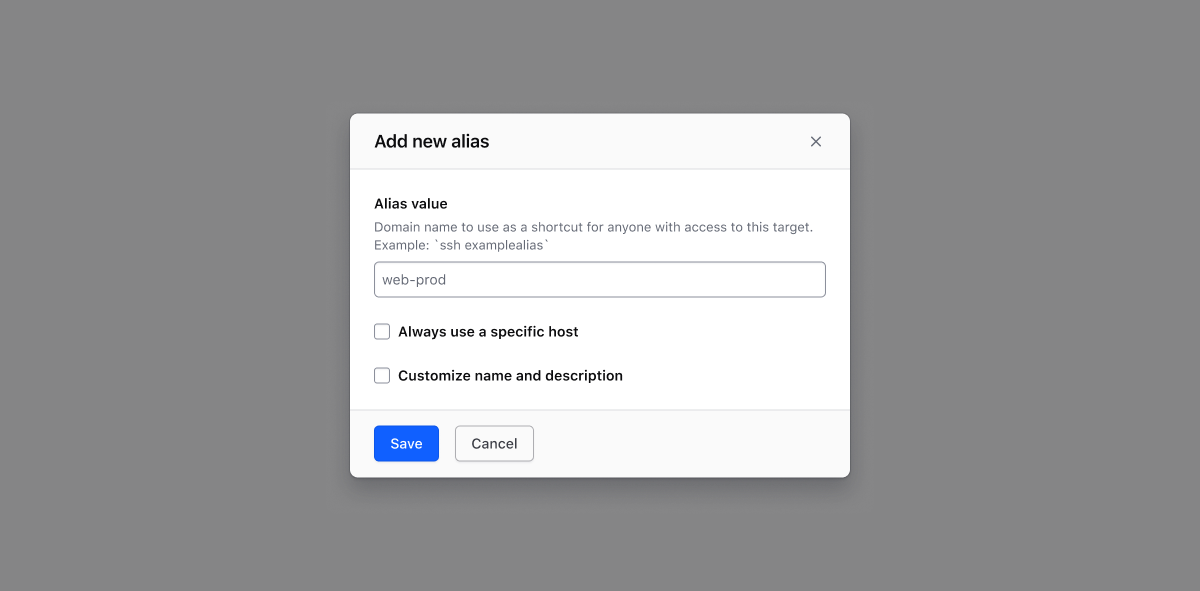
This wasn't just about simplifying URLs - it represented a fundamental shift in how organizations could approach access management. IT teams could now configure secure access patterns that would feel completely natural to their users. Security could finally get out of the way while still maintaining complete control.
Making complex things simple
Implementing this vision required solving complex technical challenges. We needed to hijack DNS resolution to make our aliases work like regular domains, but this meant careful coordination with other enterprise security tools. We conducted extensive compatibility testing with common enterprise tools like ZScaler and Cisco AnyConnect, ensuring our solution would work reliably in real-world environments.
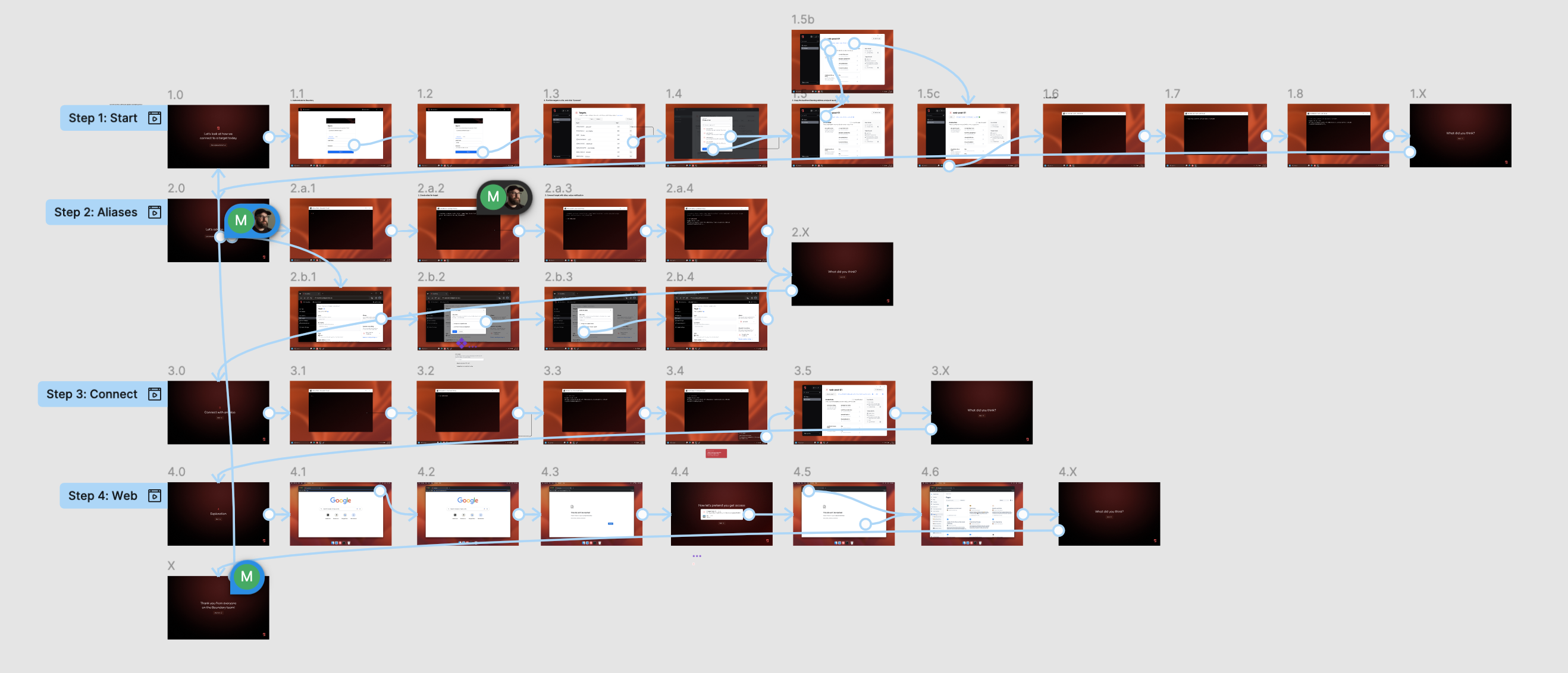
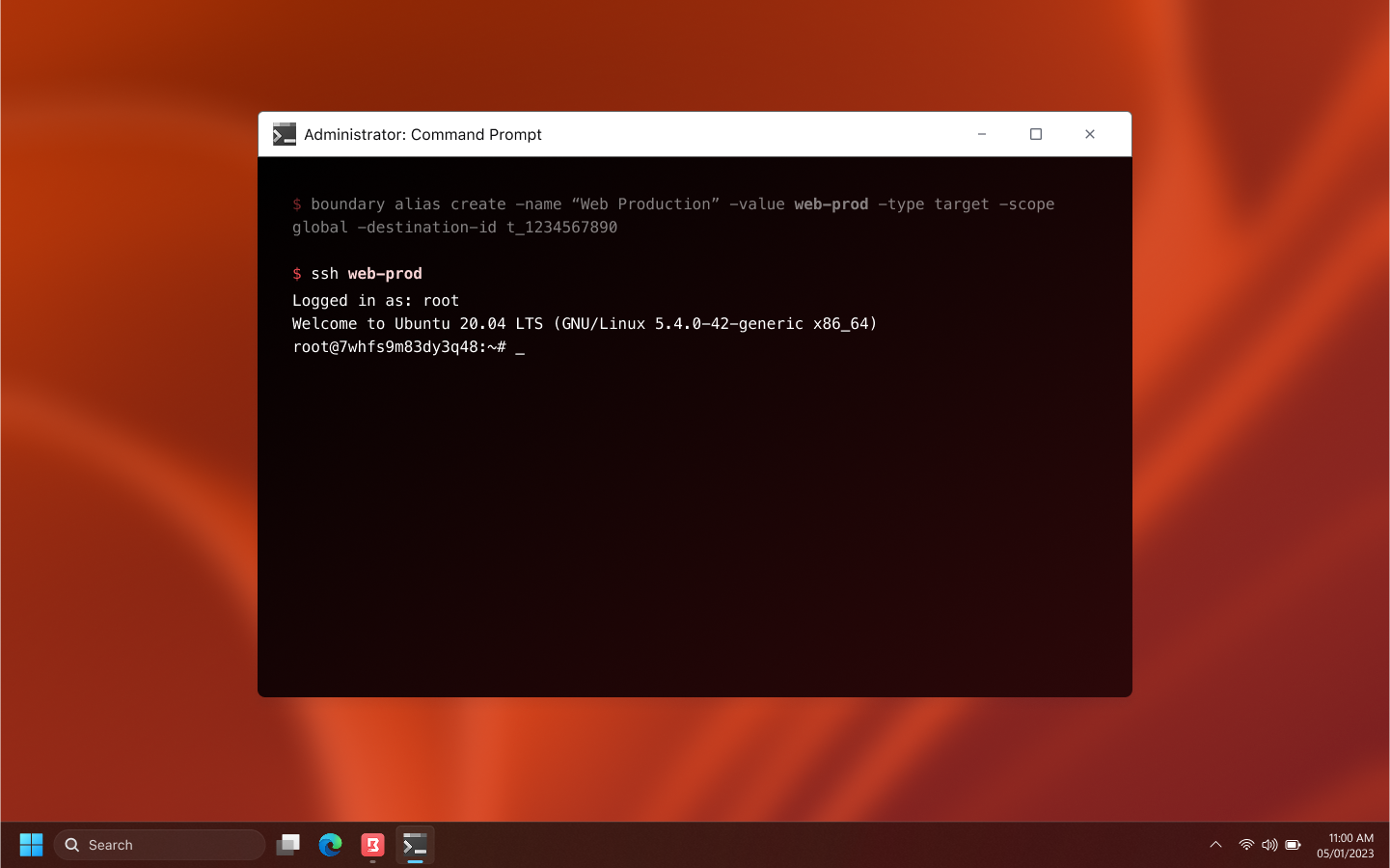
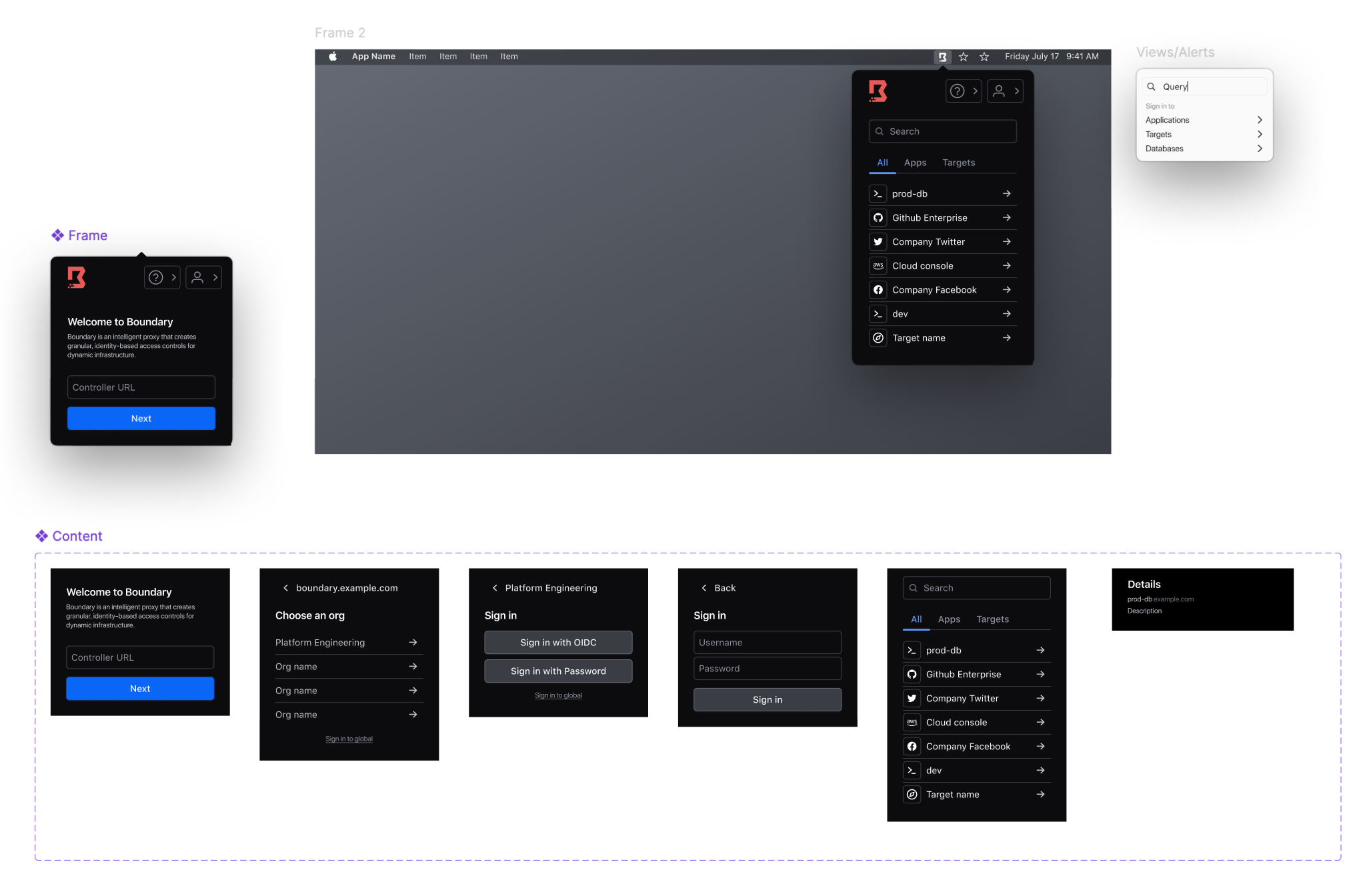
The desktop client needed to handle these connections seamlessly while maintaining security and performance. Through careful collaboration between design and engineering teams, we created an architecture that could manage complex networking operations while presenting a simple, intuitive interface to users.
From complexity to clarity
Early feedback from users validated our approach. One tester described the alias feature as "magical," noting how it transformed their daily workflow. IT teams particularly appreciated how it simplified onboarding, with one admin sharing that "users don't even realize they're using a security tool - they just know their stuff works."
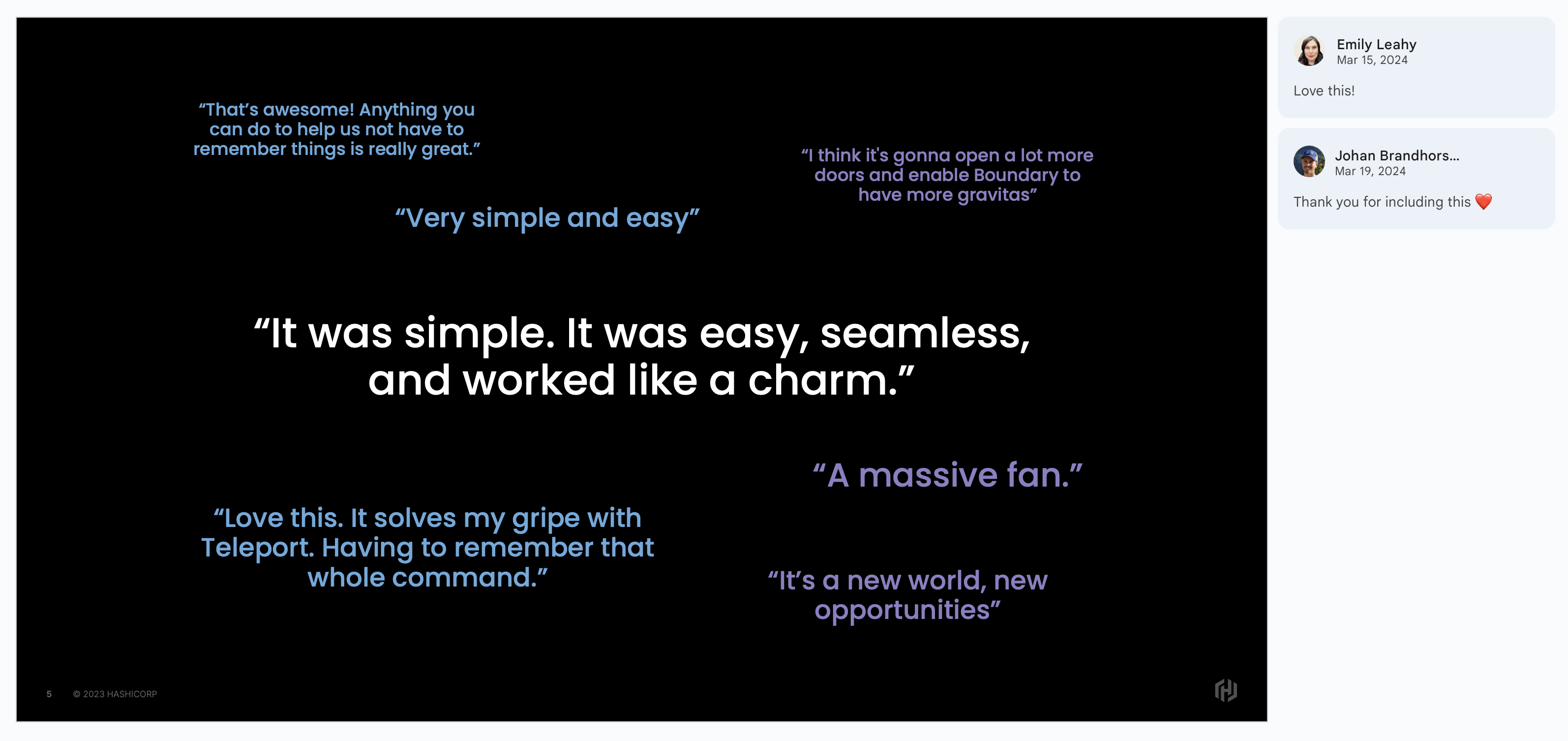
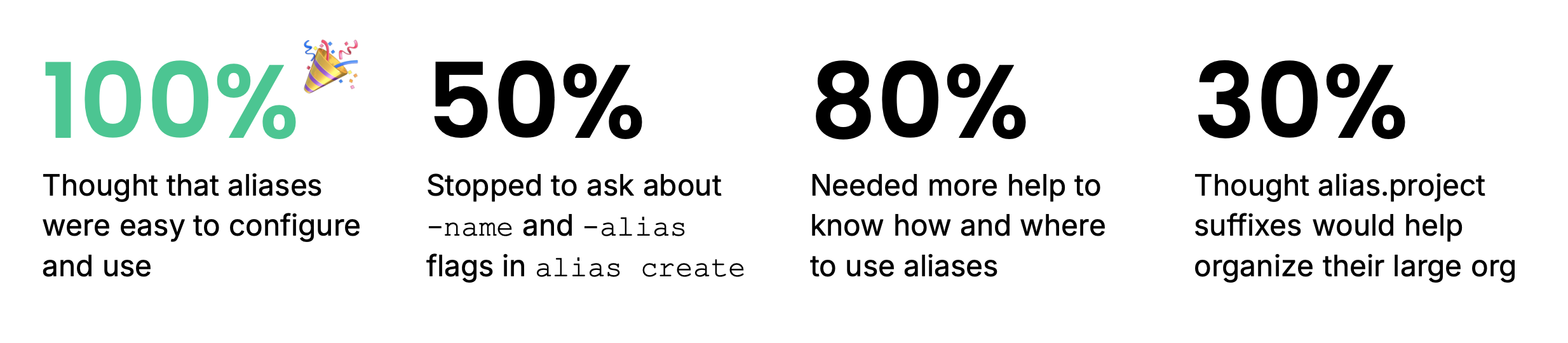
As large engineering teams begin rolling out Transparent Sessions, we're seeing how this feature transforms Boundary's role in their infrastructure. Rather than being yet another security tool to manage, it becomes an invisible layer that just handles secure access without anyone having to think about it.
Beyond traditional boundaries
Transparent Sessions represents more than just a feature - it's a new paradigm for how security tools can operate. By making security invisible, we've opened up possibilities for deeper integration with enterprise infrastructure and workflows.
Looking ahead, we're exploring how this approach could extend to other aspects of infrastructure security. When security tools can fade into the background while maintaining rigorous controls, organizations can finally achieve both security and usability. This positions Boundary as a pioneer in the next generation of security infrastructure.